
Introduction
Hey there!
If you’ve been hanging out in online support groups or forums for vulvar or vaginal health, you might have stumbled across a lot of talk about vaginal dilators. It’s totally normal to wonder, “Wait a minute, do I need to be using these too?” and “Why hasn’t my doctor mentioned this?” If you’re feeling a bit confused, you’re definitely not alone.
We’ve actually been getting quite a few questions lately about whether vaginal dilators are something people with Vulvar Lichen Sclerosus (VLS) should be using. So, we thought it would be helpful to put together a little guide to clear things up.
Disclaimers
*This post is an opinion piece by Jaclyn, based on her lived experience, as there is a general lack of research on the topic of vaginal dilators for vulvar lichen sclerosus.
***If this post is helpful to you, we’d love your support so we can continue providing important education like this. Make a donation today, volunteer with us, or share our posts in your support groups.
What are Dilators
Vaginal dilators, also known as trainers or spacers, are tube-shaped devices that help gently expand and strengthen the vagina and pelvic floor muscles. They start small and increase in size gradually.
While some people use dilators independently to enhance sexual function, it’s recommended first to see a pelvic floor physiotherapist if possible. This therapist will assess your pelvic floor muscles and create a personalized treatment plan. If dilators are part of your plan, the physiotherapist will guide you on using them effectively and provide tailored feedback throughout the process.
What are Dilators Used For
Dilators can help with many conditions including but not limited to:
- Lichen sclerosus (LS) and lichen planus (LP)
- Vaginal stenosis
- Vaginismus
- Vulvodynia and/or vestibulodynia.
- Hypertonic pelvic floor/overactive pelvic floor/tight pelvic floor muscles
- Pain with sex due to menopause, scar tissue, & trauma
- Surgery (e.g., post-hysterectomy, prolapse, surgically-induced or medically-induced menopause, gender-affirmation surgeries, labioplasty, etc).
- Cancer patients experience sexual issues post-radiation, post-chemotherapy, or post-surgery.
- Persistent pelvic pain (e.g., sacroiliac joint pain, coccyx, pubic region pain, etc.)
How Can They Help with Vulvar Lichen Sclerosus
Fusing and Scarring
Vulvar lichen sclerosus (VLS) is a chronic skin condition that affects the vulva, often seen as an autoimmune disorder triggering inflammation. This leads to skin texture and color changes, potentially causing parts of the vulva to fuse together, making separation difficult and painful. Fusion can narrow the vaginal opening, resulting in discomfort during insertion. Using dilators gradually can help break down scar tissue, stretch the skin, and create more space at the opening, aiding in easing discomfort.
Increase Blood Flow
Moreover, VLS can cause skin thickening, hindering blood flow, which is crucial for healing. Scar tissue formed due to inflammation can impede blood circulation. Dilators and gentle motions or vibrations can enhance blood flow and oxygen circulation, promoting tissue healing. Even if improving penetrative sex isn’t the main goal, using dilators and possibly working with a physiotherapist can aid in addressing scar tissue, increasing blood flow, and supporting tissue repair for overall vulvar health.
Be More In Tune with Your Body
For individuals with vulvar Lichen Sclerosus (VLS), the condition can cause pain during sex or insertion, leading the brain to associate these actions with danger. This response triggers muscle tension as a defense mechanism. Dilators, which are devices that gently stretch the vaginal tissues, can help desensitize the brain by showing it that insertion can be safe and even pleasurable over time. This process can be crucial for reducing pain and discomfort, especially when inserting items like tampons or during gynecological exams.
Pain-Free/Reduced Pain with Sex
If the goal is pain-free penetrative sex, dilators can be beneficial in various ways. They help expand the vaginal tissues, reduce muscle tension, provide biofeedback to relax the pelvic floor muscles, decrease anticipatory guarding by the brain, increase blood flow for arousal, and empower individuals to reconnect with their bodies. Additionally, for those with VLS who feel disconnected or struggle with body image issues, using dilators can aid in healing emotional wounds and fostering a sense of inner connection and self-acceptance by promoting mindfulness and relearning to touch and reconnect with the vulva and vagina.

Empower Yourself
Dealing with VLS can be tough and make you feel like you’ve lost control. It might seem like VLS is robbing you of many things. Using dilators can help you fight these feelings of powerlessness and regain a sense of control in your life. Even if it doesn’t seem like it at first, using dilators can give you a sense of empowerment, which is really good for your mental well-being.
Do you Need to Use Vaginal Dilators for Vulvar Lichen Sclerosus?
If your healthcare provider recommends you use vaginal dilators for vulvar lichen sclerosus, you may need them. This may be to help with pelvic pain, to improve outcomes post-surgery, or other reasons. It is within your right to ask if you aren’t clear on the reason.
More generally, no one needs to use dilators if it doesn’t align with their goals or they aren’t uncomfortable using them. One of the most important pieces of VLS management is following an evidence-based treatment plan to help reduce inflammation and restore the vulvar skin to a healthy texture. Using dilators alone will not treat the underlying inflammation caused by VLS, manage symptoms, or reduce the risk of vulvar cancer.
Further, there is no rush, even if you decide to work with them. You can also prioritize healing your skin, working with a therapist, and bringing in dilators later. You are the expert on your body and can choose when and if to work with them.

My Experience with Vaginal Dilators
I originally rushed the process and tried working with dilators shortly after I was diagnosed. However, because I didn’t allow my skin time to heal, I found the process too painful and distressing. Honoring my body, I set them aside and focused on treatment and therapy. I did a lot of grief work in therapy, amongst other things. After getting into remission, I picked them up again, working with them slowly, honoring my body’s needs, I got to a point where I felt very comfortable with the largest dilator. I felt empowered and confident and decided to attempt penis-in-vagina sex again with my husband, and I was able to have pain-free, pleasurable sex from that time on.
Read through the diary-style entries of my dilator journey here for more details.
My Favorite Products
Recently, I decided to upgrade myself after using an old part of the dilators she purchased from Amazon over four years ago.
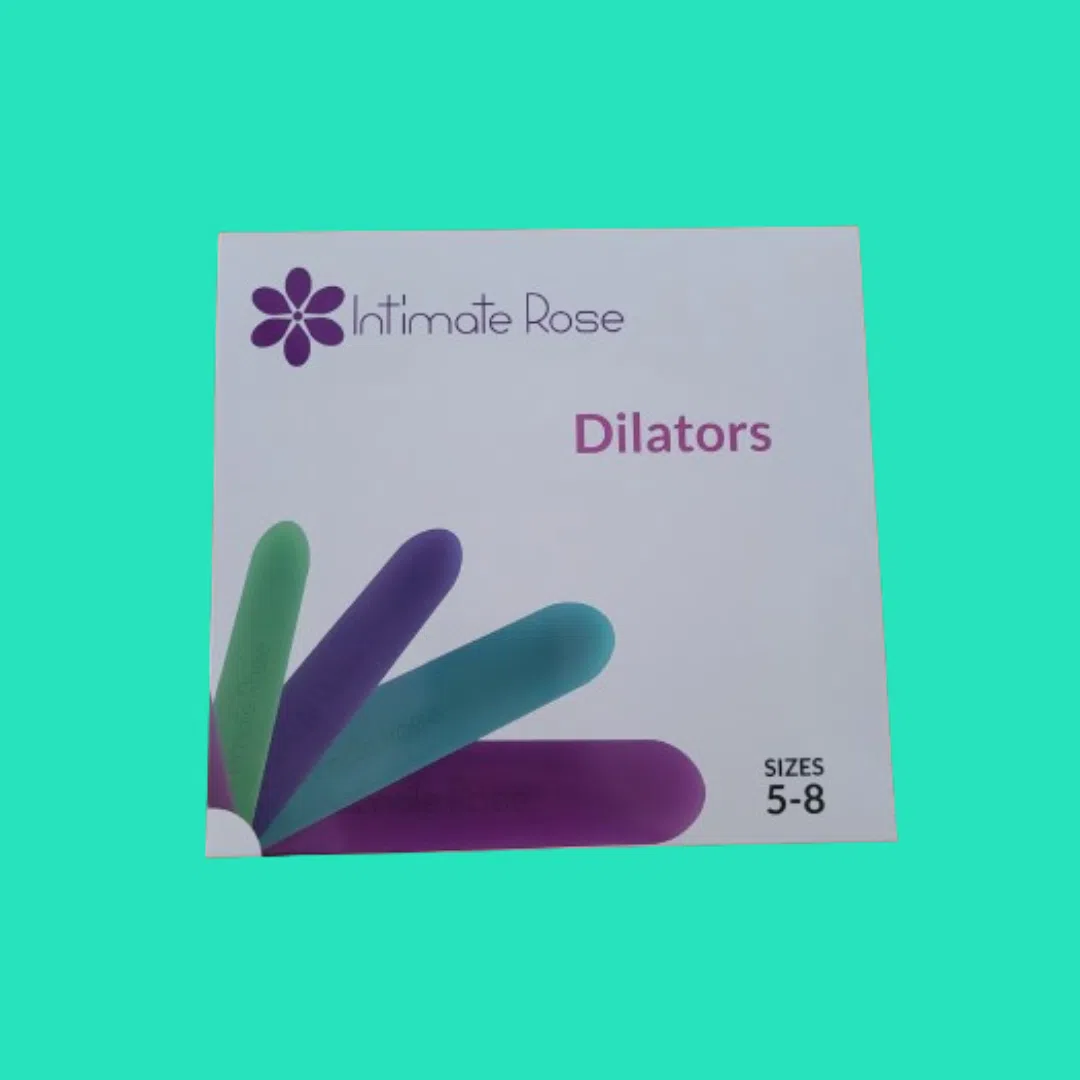
I got a set from Intimate Rose and am absolutely in love.
My lube of choice has not changed–Slippery Stuff for the win!
Exciting News for Folks Interested in Vaginal Dilators for Vulvar Lichen Sclerosus
I (Jaclyn) will be launching a one-of-a-kind VLS and dilators product you will NOT want to miss. Stay in the loop by signing up to my newsletter by clicking here.
Conclusion on Vaginal Dilators for Vulvar Lichen Sclerosus
In sum, if your healthcare provider recommends dilators for vulvar lichen sclerosus, you can ask for clarification. Dilators may help with pain or recovery post-surgery. However, they’re not mandatory, and aligning their use with your goals is crucial. Dilators alone won’t address VLS inflammation or symptoms; an evidence-based treatment plan is essential. Take your time to decide and focus on healing your skin first. You can control your body and choose if and when to use dilators as part of your management plan.
Share your thoughts and experiences with dilators and VLS in the comments below!
Stay In The Loop! Never Miss A Blog Post, YouTube Video, Podcast Episode, Event, Or Product Launch By Getting On Our Newsletter!
Sign up for LSSN’s monthly newsletter here.
Sign up for TLLC’s newsletter here.
Reach Out To Me
Whether you are debating booking a support call with me, have a quick question, or want to share something related to my content, I can be reached via:
Email: Jaclyn@lostlabia.com
DM: @thelostlabiachronicles on Instagram, Facebook, and TikTok.
Support Resources
FREE Lichen Sclerosus Virtual Meetup hosted by myself and Kathy of Lichen Sclerosus Podcast – sign up here.
Feel free to book a 1:1 call with me if you struggle with grief and emotions. Simply click this link to learn more about lichen sclerosus peer support calls.

LSSN Membership – sign up here.
For a more detailed list of free and paid support resources, check out my LS resources page here.


How long does it take to get to use the largest dilator
This is very personal. There is no one timeline. There are so many factors that there is no way to tell. The thing to focus on is staying present and not having expectations. Progress will come. 🥰🤗
Once you’ve successfully achieved penetrative sex without pain, do you continue using the dilators?
Mary, I use mine if/when I feel like things are tightening. The key is to not let it go too far or you’ll feel like you’re starting from square one. Always slow and relaxed, and never if the skin feels the least bit sore.