

Introduction
When grappling with the complexities of skin conditions, many may ask, “Does lichen sclerosus spread?” Understanding the nature of this condition is crucial for those affected, as it can impact both treatment decisions and emotional well-being. In this blog post, we will explore the science behind lichen sclerosus, including its potential to affect both genital and extragenital areas of the body. Drawing on evidence-based research and expert insights, we aim to clarify what it means for a skin condition to spread and whether lichen sclerosus poses a risk of extending beyond its initial site.
*If this post is helpful to you, we’d love your support so we can continue providing important education like this. Make a donation today, volunteer with us, or share our posts in your support groups.
Disclaimers
*The information contained in this blog post is up-to-date at the time of publication.
What Does it Mean for a Skin Condition to Spread
When a skin condition is said to spread, it means that the affected area of the skin expands or extends beyond its original boundaries. This can occur in various ways depending on the specific condition:
- Infections: Skin infections like cellulitis can spread from the initial site of infection to surrounding tissues, causing redness, swelling, and inflammation to increase in size over time.
- Inflammatory Conditions: Conditions such as eczema or psoriasis can spread to different areas of the body. For example, eczema can start in one area and then spread to other parts like the hands, face, and neck due to factors like scratching or exposure to irritants.
- Fungal Infections: Fungal infections like ringworm (tinea) can spread in a circular pattern, creating a ring-like rash that expands outward from the center.
- Cancer: In the case of skin cancer, spreading can refer to the metastasis of cancer cells from the original tumor to other parts of the body, including lymph nodes and internal organs.
- Autoimmune Conditions: Conditions like vitiligo can spread, leading to the appearance of more white patches on the skin over time.
In summary, the spread of a skin condition involves the expansion of the affected area, which can be due to various factors such as infection, inflammation, or the nature of the condition itself.
Does Lichen Sclerosus Spread?
A literature search (both in PubMed and Google Scholar) did not give a concrete answer. The word spread was mostly used in cases where lichen sclerosus affected the penis, not the vulva.
We do know lichen sclerosus can affect the genitals (vulva, perianal skin, and penis) as well as non-genital parts of the skin, such as the skin on the chest, abdomen, thighs, etc. So, it seems fair to think, “If it affects my vulva, will it eventually affect my perianal skin” or “Does this mean I have to start to worry about my extragenital skin, now, too”?
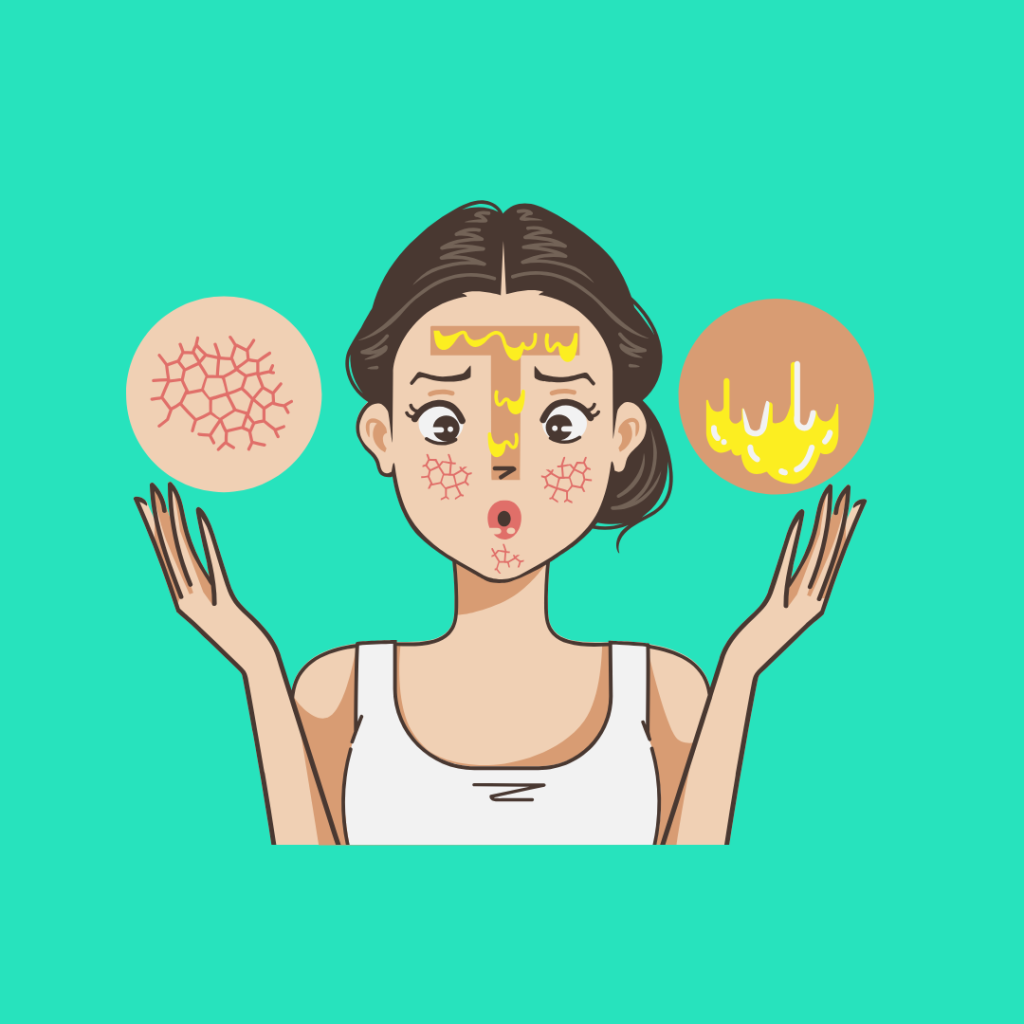
I couldn’t find any literature supporting that lichen sclerosus spreads in this way, or that if you have it in one area you are guaranteed to have it show up elsewhere.
Member of our Medical Advisory Board, Dr. Corey Babb, notes: “As an autoimmune condition, it has the potential to spread to any part of the body that shares the same skin cellular type, in this case, squamous epithelium. That said, touching an area affected by LS and then touching another bodily area does not spread it. It is not disseminated by particles on the skin itself, but rather a skin response to underlying inflammation.”
Should I Proactively Use My Steroid Everywhere to Prevent it From Popping Up Elsewhere: LSSN’s Medical Advisory Board Weighs In
Now, you may wonder, “If I have lichen sclerosus on my vulva, should I perhaps use my steroid in other areas, such as the perianal skin?”
Dr. Corey Babb answers, “There is no need to proactively use steroids on other parts of the body unaffected by LS.”
Personally, I (Jaclyn) do not use my steroid on skin that has not been clinically diagnosed with LS by a healthcare provider. Ultra-potent topical corticosteroids can cause unpleasant side effects when used on non-LS/non-lesional skin; therefore, unless I have received a diagnosis and treatment plan, I leave other areas steroid-free.
If you are concerned about LS present in a new area, monitor signs and symptoms, consider taking photos to track the progression of the skin’s appearance, and discuss with your healthcare provider.
Can I Spread Lichen Sclerosus to Someone Else?
No. You cannot spread lichen sclerosus through skin-to-skin contact or any other way with another person.
Lichen sclerosus is not contagious nor is it a sexually transmitted infection.
This means you are not at risk of spreading LS to friends, partners, etc.
Conclusion on Does Lichen Sclerosus Spread?
In conclusion, while the question of “Does lichen sclerosus spread” is a common concern among those diagnosed with this condition, the current medical understanding suggests that lichen sclerosus does not spread in the same way that infections or other inflammatory skin conditions do. It can affect various areas of the body, but it is not contagious and cannot be transmitted from person to person. Proactive management and open communication with healthcare providers remain essential in monitoring the condition and addressing any new symptoms. If you have concerns about lichen sclerosus or its potential progression, it is always best to consult a medical professional for personalized advice and care.
Stay in the Loop! Never Miss a Blog Post, YouTube Video, Podcast Episode, Event, or Product Launch by Getting on Our Newsletter!
Sign up for LSSN’s monthly newsletter here.
Sign up for TLLC’s newsletter here.
Reach Out to Me
Whether you are debating booking a support call with me, have a quick question, or want to share something related to my content, I can be reached via:
Email: Jaclyn@lostlabia.com
DM: @thelostlabiachronicles on Instagram, Facebook, and TikTok.
Support Resources
FREE Lichen Sclerosus Virtual Meetup hosted by myself and Kathy of Lichen Sclerosus Podcast – sign up here.
Feel free to book a 1:1 call with me if you struggle with grief and emotions. Simply click this link to learn more about lichen sclerosus peer support calls.

LSSN Membership – sign up here.
For a more detailed list of free and paid support resources, check out my LS resources page here.


